
Nicholas Vachell of Coley (fl. 1379)
Nicholas Vachell stands at a hinge-point in the early history of the Coley estate. He was the younger brother and eventual heir of Sir John Vachell, the fourteenth-century lawyer and landowner who first turned a modest holding at Coley into a substantial estate tied to Reading's wool trade and county politics. When Sir John died without surviving children in the later fourteenth century, it was Nicholas who carried the Vachell presence at Coley into the next generation. A poll tax return from 1379 records Nicholas in Reading as an ironmonger, suggesting that he combined landholding with active involvement in the town's commercial life. This fits the broader pattern of the family: from Walter Vachell in the thirteenth century through John "of Tilehurst", the Vachells rose first as prosperous burgesses, lawyers and traders before they were fully recognisable as county gentry. In Nicholas's case, Coley and Tilehurst were not yet the fully consolidated manorial block they would become, but they already provided the landed base for an ambitious urban family.
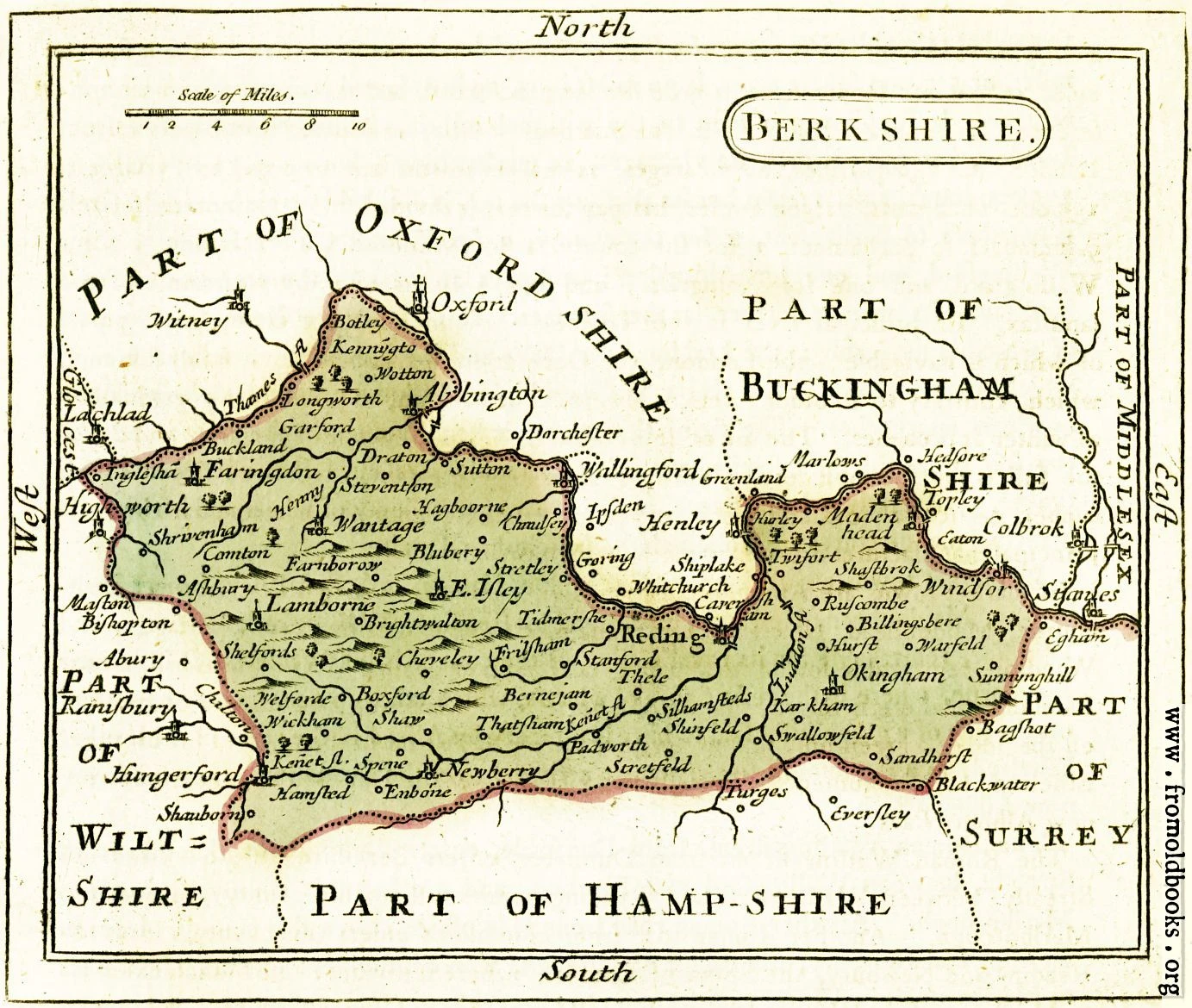
By 1388 Nicholas had emerged as one of Reading's leading figures. In that year he was returned as one of the Members of Parliament for the borough, his name appearing alongside John Balet in the parliamentary list. His election reflects both his status in the town and the growing weight of the Coley–Tilehurst estate. For Reading, the late 1380s were a period of cautious recovery after the Black Death and the social upheavals of the fourteenth century; for the Vachells, Nicholas's term as MP demonstrates that the family's influence had survived famine, plague and political turbulence. Nicholas does not seem to have held the estate for very long. By 1399 his son William was acting as the principal representative of the family in legal documents, standing surety in royal courts and, crucially, preparing the way for a decisive expansion of the Coley lands. In 1405 William purchased extensive property in Coley and Tilehurst from John Collee of Padworth, a transaction that effectively transformed the Vachell holdings into a compact manorial block and led to the regular use of the style "Vachell of Coley". Without Nicholas's brief tenure and successful transmission of the estate, that consolidation would not have been possible.
Later genealogical summaries consistently present Nicholas as "of Coley" and as father of William Vachell I of Coley (d. 1481), from whom the fifteenth- and sixteenth-century Vachells of Coley Park descend. Through that line – via William, the early Tudor Thomases, the Stuart-era Vachells and Françoise Vachell (1674–1728) – Nicholas becomes a remote but direct ancestor of the present curator of this site, a many-times great-grandfather linking the first purchaser's generation to the later manorial family. For the history of the manor, Nicholas is therefore less a colourful personality than a crucial bridge: the man who, having started out as an ironmonger in a recovering market town, carried the Coley estate through the later fourteenth century and passed it on, intact and poised for expansion, to the branch that would make "Vachell of Coley" a fixture of Berkshire history for the next three hundred years.
Sources (selected)
- Ounsley, M. (2024, October 6). Consolidation: The Vachells, 1309–1410. Coley Notebook (blog).
- Metcalfe, W. C. (Ed.). (1901). The Visitation of Berkshire in the Years 1532, 1566, and 1623. Harleian Society.
- Crawfurd, G. P. (1893). "The Vachells of Coley." Berkshire Archaeological Journal, 3, 87–92.
- Reading (UK Parliament constituency). In Wikipedia (section on medieval MPs for Reading).